


Welcome to Boardwalk Times Most Anticipated Binge Watching for Disney+ Opening Day series. In this edition, we will be diving into the library content on Disney+. We start in 1941 and make our way all the way to 2013. We will save the more recent material and the Disney+ originals for another article.
The Reluctant Dragon (1941)
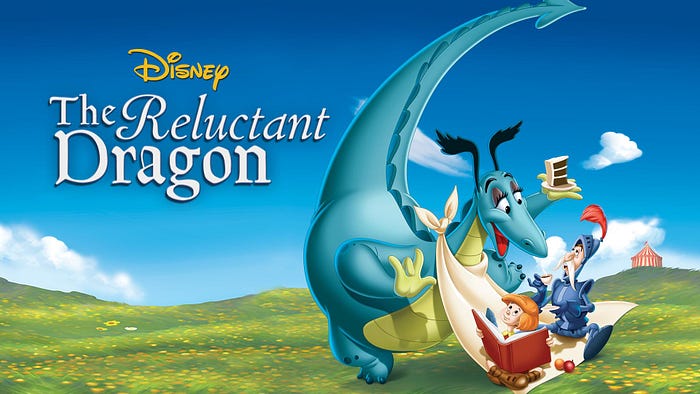
1941’s Reluctant Dragon is a package film containing a tour of the brand new Walt Disney Studios in Burbank along with three Technicolor shorts: Baby Weems, How to Ride a Horse starring Goofy and the extended titular short. The film was, by necessity, due to financial limitations mostly caused by World War II, unlike most of the Studio’s recent releases which were full-length animated features. Audiences were not pleased with the move away from animated features and also felt mislead by the pre-release marketing. Additionally, the film’s release coincided with the 1941 Disney Animators Strike, which further tanked the film’s popularity.
Regardless of the film’s struggle at release, The Reluctant Dragon offers a unique and compelling look at the state-of-the-art Burbank studio at its beginning, and Disney fans will love the behind-the-scenes look at the animation and recording processes of Studio Legends such as Clarence Nash, Freddy Moore, and Ward Kimball. — Austin Vaughn
The Adventures of Ichabod and Mr. Toad (1949)
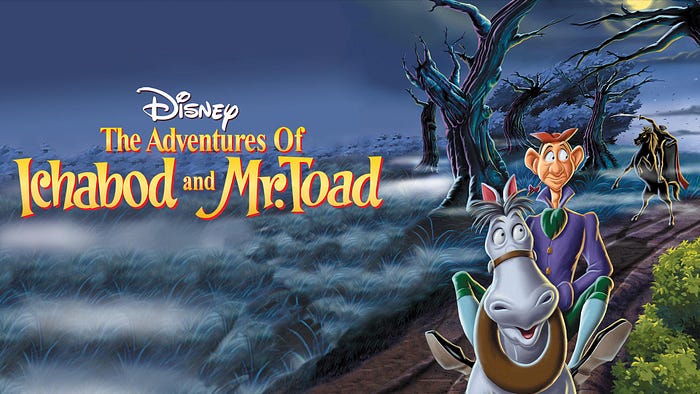
The last of the package films of the World War II-era: Ichabod and Mr. Toad is a great example of the classic axiom: “a good idea never dies at Disney.” Walt Disney purchased the rights to “The Wind in the Willows” all the way back in 1938, and the story was scheduled to be made into a full-length animated feature following the release of Bambi in 1942. However, due to the 1941 animators strike and Bank of America’s (Disney’s chief financier before the company went public) reluctance to fund more full-length features with European market uncertainty, Wind in the Willows was shelved until 1946. Walt, seemingly unhappy with the full-length treatment, ordered Willows to be cut down to 25 minutes, and a year later, the story of Mr. Toad found its package partner, The Legend of Sleepy Hollow. Disneyland fans and classic Walt Disney World fans, in particular, will love to see the origin of that wild rider whose favorite destination is nowhere in particular. — Austin Vaughn
Davy Crockett, King of the Wild Frontier (1955)
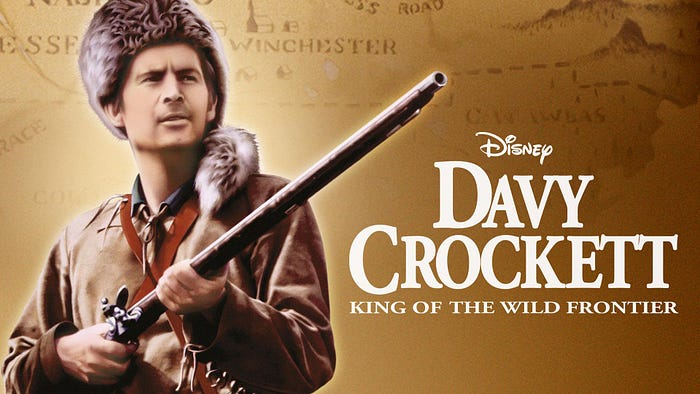
Fess Parker starred as legendary pioneer Davy Crockett in a mini-series as part of Walt Disney’s Disneyland TV series on ABC in the run-up to the grand opening of Disneyland Park. Parker’s turn as the folk hero was so popular, every child in America was seen sporting a raccoon skin cap in the weeks after its airing. The Crockett craze even made a Number 1 hit out of the series’ theme “The Ballad of Davy Crockett” and forced Walt to start a record label, Disneyland Records, so future TV and movie soundtrack record revenue wouldn’t have to be shared with other companies.
The series was so popular, in fact, a year later, Walt Disney Productions stitched together the three TV episodes into a single film and released Davy Crockett, King of the Wild Frontier theatrically. King of the Wild Frontier also spawned two prequel episodes which first aired on Disneyland and then were combined for theatrical release as Davy Crockett and the River Pirates (1956). — Austin Vaughn
Lady and the Tramp (1955)
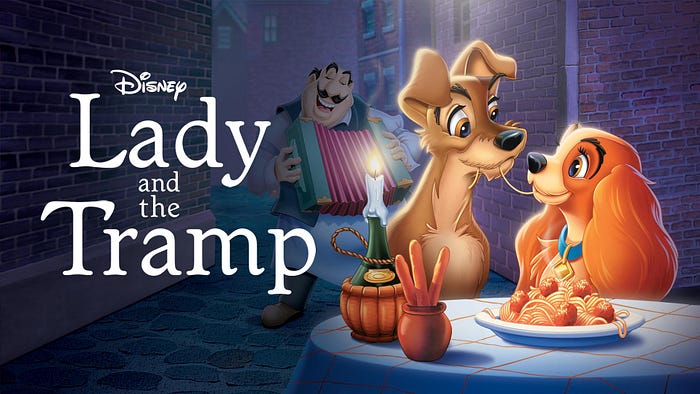
Legend has it, the early scene of Darling opening up the hatbox from Jim Dear revealing the surprise puppy inside is taken directly from Walt Disney’s life. According to his wife, Lillian, the Old Maestro had horrible taste in hats, and when her husband presented her with a hat box on Christmas morning, Lillian tried her best to fake a smile but her face was as red as a tomato with anger. Lillian was so relieved to find a Chow puppy inside the hatbox that she looked past Walt breaking a different rule: No Dogs. Walt said that was the only way he could get Lilly to let them have a dog, but not long after, Mrs. Disney was loving on and spoiling that Chow puppy more than anyone else in the house.
A true Walt Disney Masterpiece, Lady and the Tramp is the product of some of the studio’s earliest legends (Ham Luske, Frank Thomas, Claude Coates, Eyvind Earle & Disney himself) at the heights of their powers coming together to create a flawless film. — Austin Vaughn
The Sword in the Stone (1963)
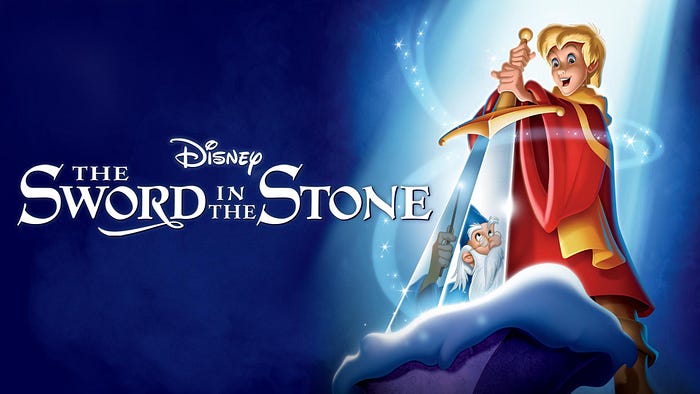
The first animated feature with a Sherman Brothers soundtrack and the last animated feature released before Walt Disney’s death, The Sword in the Stone was produced and released at the end of an era in Walt Disney Studios’ history. Since the WWII era, Walt Disney Productions had been releasing more and more live-action films, which were cheaper to produce, and in the 50s, Walt had become less and less hands-on at the Studio as he focused on other projects such as Disneyland, CalArts and Project X (the beginnings of Walt Disney World). Disney had even been known to make story changes on the film over the phone from Palm Springs, Florida, while he was purchasing land. Animators on Sword claimed to have modeled Merlin as a caricature of Walt to see if he was paying attention. He never noticed.
The Arthurian legend was still in good hands, however, directed by Wooly Reitherman, one of the Nine Old Men, story led by longtime studio hand Bill Peet and the enchanting soundtrack by the aforementioned Richard and Robert. — Austin Vaughn
Mary Poppins (1964)
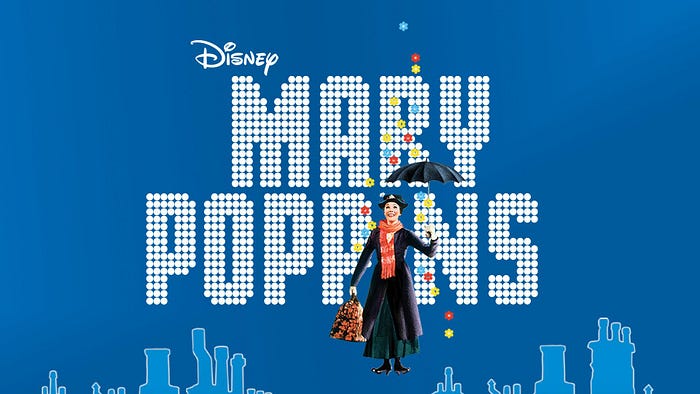
The cinematic peak of Walt Disney’s career, the iconic Mary Poppins combines the magic of Disney animation with the charm of the Disney live-action musical. Poppins took home five Oscars at the 37th Academy Awards along with a nomination for Best Picture, the only Disney film to garner the honor during Walt’s life. The US National Film Registry selected Mary Poppins to be preserved in the Library of Congress as it is “culturally, historically, or aesthetically significant.”Do I need to say more? If you haven’t seen this film, you must hit play immediately on November 12. Julie Andrews, Dick Van Dyke, and the Sherman Brothers all putting in legendary work. Fun fact: the profits from this film made Walt Disney World possible. — Austin Vaughn
The Jungle Book (1967)
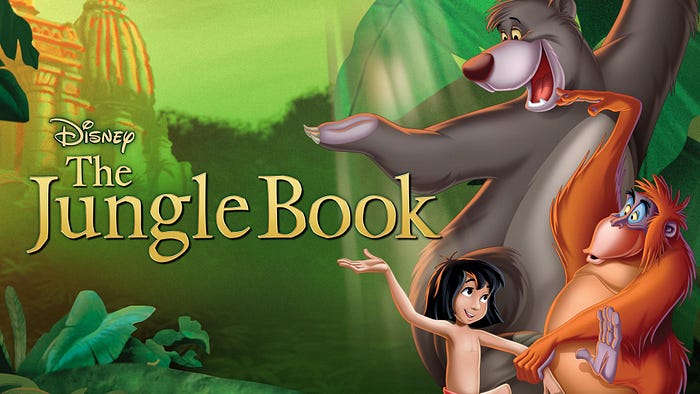
The last film Walt Disney produced, 1967’s The Jungle Book was the Old Maestro’s ride into the sunset. Following critical disappointment for 1963’s The Sword in the Stone, Disney took a more hands-on approach with the next animated feature. Walt was so serious about making the next animated picture a success that arguments over the initial story treatment for The Jungle Book saw Bill Peet leave the studio for good and his treatment completely scrapped. On their second crack at the Kipling adaptation, Disney hit it out of the park. Wooly Reitherman’s direction, Milt Kahl’s animation, and Ken Anderson’s new story treatment, along with Walt’s final personal touches, make this picture a true classic. — Austin Vaughn
The Aristocats (1970)
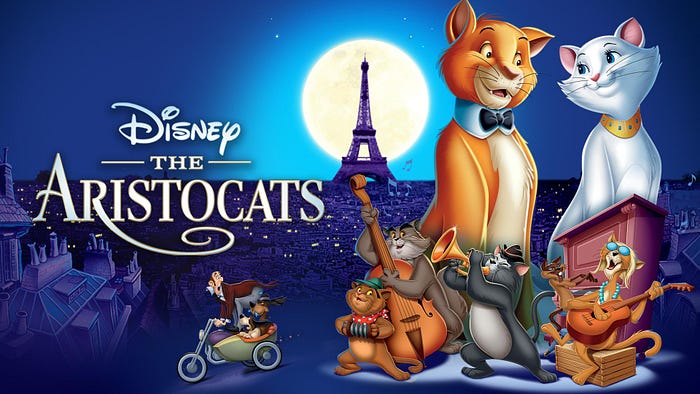
A Ken Anderson story treatment directed by Wooly Reitherman, The Aristocats was originally planned as a two-part series for NBC’s Wonderful World of Color in 1962. However, the Old Maestro himself had other plans for the Parisian tale of noble felines; The Aristocats was the final film Walt approved before his death in 1966. Five of Disney’s Nine Old Men contributed to the animation on the 1970 feature, and the Sherman Brothers were at their best composing their final soundtrack as in-house studio songwriters. Viewers of all ages will find themselves singing along with the bouncy, sublime music including all-time classics “Ev’rybody Wants To Be A Cat” & “Thomas O’Malley Cat.” Just don’t get too carried away with all the fun and take a sip of the Crème de la Crème de la Edgar. — Austin Vaughn
Justin Morgan Had a Horse (1972)
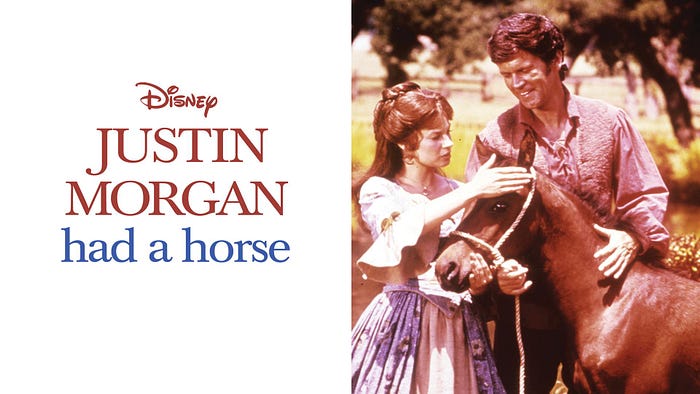
First things first I didn’t even realize that this film existed. The title alone just makes me curious to watch it along with other Disney films from this time period. Even though I haven’t seen the film yet. I am recommending everyone to watch Justin Morgan Had a Horse on opening day (or whenever your first day of watching Disney+ is). The film stars Don Murray and is based on a historical novel from author Marguerite Henry. This film seems like a classic Walt Disney Productions film. I know I’ll be watching this within the first couple of days after launch. — Zach Perilstein
Robin Hood (1973)
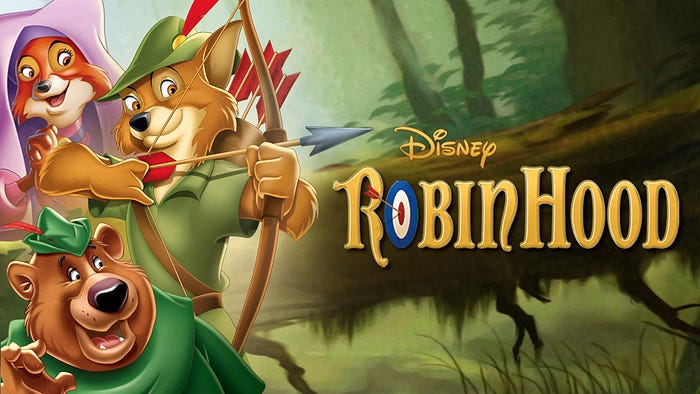
The production of Walt Disney Productions’ 21st animated feature film was tarnished by dueling motivations from two studio legends, story man Ken Anderson and director/producer Wooly Reitherman. Disney executives, extremely cautious following the deaths of both Walt (1966) and his brother Roy (1971), who helmed the company following the younger Disney’s demise, wanted a classic tale for their next animated picture. Anderson’s pitch of Robin Hood was a hit amongst studio brass, but his non-traditional takes on how he would tell the story were not. Reitherman reigned in Anderson’s impulses to set the story in the American South and make the Sherriff of Nottingham a goat, amongst other atypical ideas. However, the disagreements still caused the production to fall behind schedule and forced Disney to recycle dance segments from Snow White, The Jungle Book and the last Anderson/Reitherman collaboration, The Aristocats.
Despite the backstage drama, Robin Hood is a fun and engaging romp made especially unique by the soundtrack performed and written by country music star Roger Miller, who also lent his voice to the narrator, the rooster version of Alan-a-Dale. — Austin Vaughn
The Muppet Movie (1979)
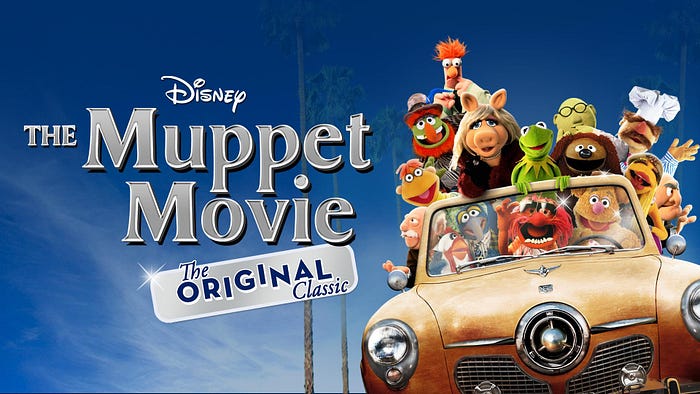
Jim Henson’s first film with The Muppets. It’s an absolute classic celebrating its 40th anniversary this year. If you want an overall feel-good film to watch to celebrate the launch of Disney+, The Muppet Movie is just the right film. Kermit the Frog and the gang embark on a cross-country trip to Hollywood while being pursued by the evil restauranteur Doc Hopper, who wants to make Kermit the face of his frog legs business. The film was selected for preservation in the National Film Registry. The music is stellar. Jim Henson, Frank Oz, Jerry Nelson, Dave Goelz, and Richard Hunt put on fantastic performances as the key Muppet Performers. The witty script was written by Jack Burns and Jerry Juhl. The Muppet Movie is truly the original classic. — Zach Perilstein
The Black Hole (1979)
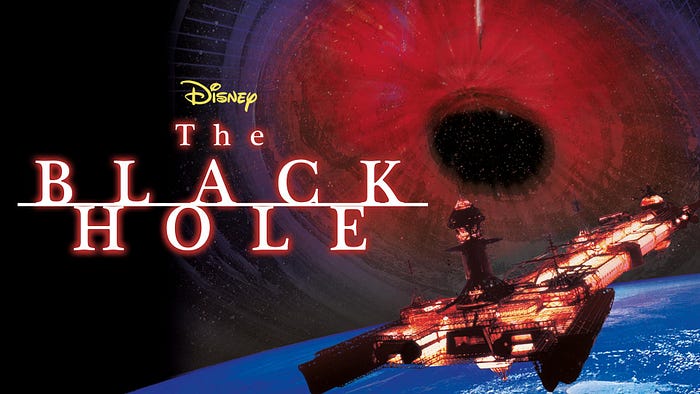
Walt Disney Productions was in a period of prolonged stagnation following the deaths of the two founders: Walt in 1966 and Roy E. in 1971. Most of the studio’s executives were extremely cautious, which meant much of what came out of the Disney Studios in the 70s was bland and unsuccessful, both commercially and critically. Disney President, and Walt’s Son-In-Law, Ron Miller pushed the traditionalists at the top of the company, namely Card Walker (CEO) and Donn Tatum (Chairman), to modernize the studio and make films similar to contemporary blockbusters like Star Wars.
The Black Hole was Disney’s take on the space opera. However, due to constant pushback from Walker and Tatum along with the tragic death of the film’s original producer Winston Hibler, the film limped through production with Miller at the helm. The finished picture was a visual triumph with spectacular, innovative (Oscar-nominated) effects weighed down by an overly dialogue-heavy script seeping with melodrama. The Black Hole is worth a watch simply for its technological achievements and notable role as the first Disney film to earn a PG rating. — Austin Vaughn
The Fox and the Hound (1981)
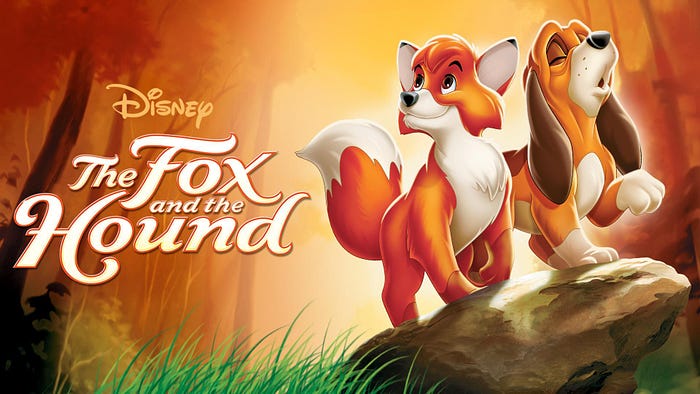
The tragic tale of star-crossed best friends Tod the Fox and Copper the Hound Dog has made millions of children (and let’s face it, adults) cry throughout the decades and yet remains endlessly rewatchable. One of the last hits from the studio’s pre-Renaissance era, The Fox and the Hound was the most expensive animated feature at the time of production and sported an all-star voice cast featuring Mickey Rooney, Kurt Russell, Pearl Bailey, and Corey Feldman.
The film bridged a gap between studio regimes, being produced by Ron Miller and Wooly Reitherman and animated by the last remaining Nine Old Men working at the studio before they retired along with a young group of artists who would all go onto even greater success during the Disney Decade of the 1990s under Michael Eisner, Frank Wells and Jeffrey Katzenberg. Frank Thomas and Ollie Johnston animated their portions of the film and retired in 1978, handing the finalization of the animation off to Disney’s stable of future legendary animators including Glen Keane, John Lasseter, Tim Burton, and Brad Bird. — Austin Vaughn
Three Men and a Baby (1987)
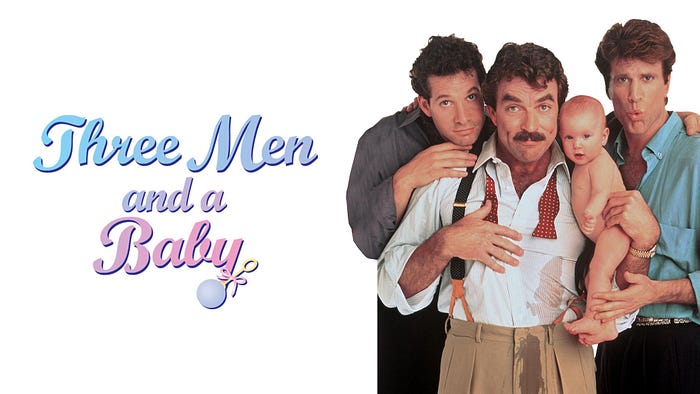
Three Men and a Baby is emblematic of the financially successful, critically underwhelming formula of the early Eisner/Wells/Katzenberg era: PG-rated simple family comedies led by post-peak (read: cheap) Hollywood A-listers and usually released through Touchstone Pictures, Disney’s vehicle for its less traditional fare.
The remake of a French comedy starring Tom Selleck and Ted Danson filled the newly-minted Walt Disney Company’s coffers (raking in $167 million against a budget of $11 million) while neither impressing nor offending the Roger Eberts of the world. The financial success of these early Eisner-era films paved the way for the critical success of the Disney Renaissance and Disney Decade in the following years. — Austin Vaughn
The Santa Clause (1994)
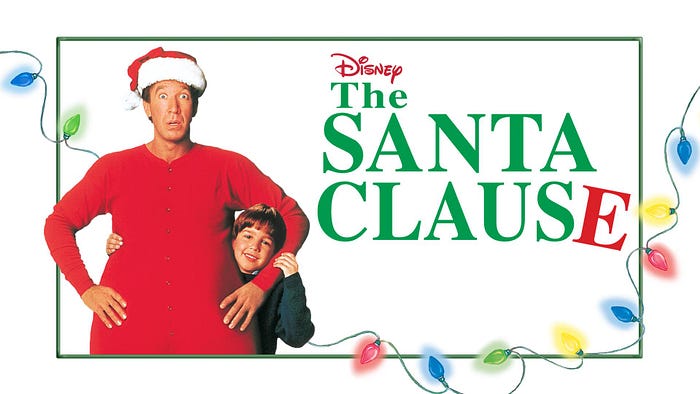
Tim Allen’s The Santa Clause is a Christmas classic. In the original darker script, Allen’s character was going to actually murder Santa Claus. Tim Allen was confused about why they couldn’t do that at the time. Then Disney Studios chairman Jeffrey Katzenberg told Allen: “Well, we can’t start a Disney movie with you murdering Santa Claus.”
Allen stars as Scott Calvin, a successful salesman who has to spend Christmas Eve with his son Charlie. Despite not believing in Santa Claus, Scott convinces Charlie that Santa is indeed real. After startling Santa up on his roof. Scott Calvin, a non-believer, becomes Santa Claus due to the Santa Clause. Disney went on to produce two more Santa Clause films. — Zach Perilstein
Waking Sleeping Beauty (2009)
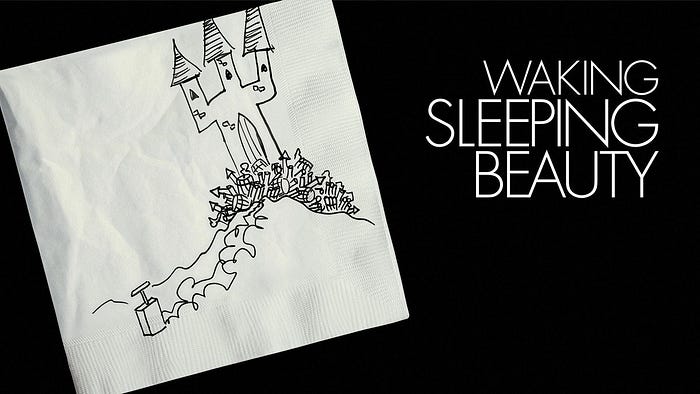
Waking Sleeping Beauty is a documentary made by the animators who were around during the lowest of lows and the highest of highs of Walt Disney Animation. The documentary touches on the changing of the guard and how a group of extraordinary people came together to create the Disney Renaissance. The documentary is narrated by Don Hahn, who also serves as the director. — Zach Perilstein
Saving Mr. Banks (2013)
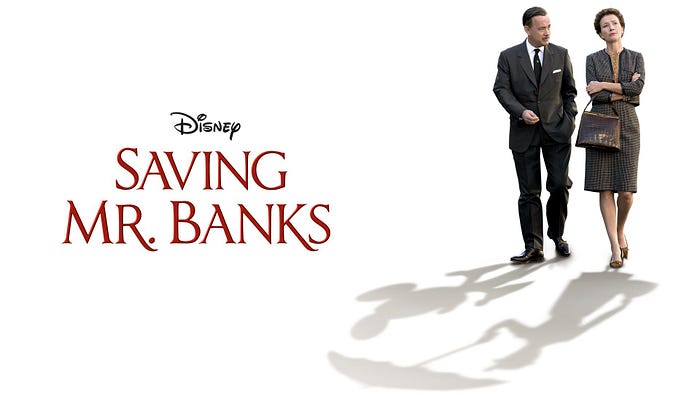
Earlier on this list, my colleague Austin Vaughn suggested the Disney classic Mary Poppins. Now I suggest watching the story behind the classic. The film highlights how Walt Disney convinced P.L. Travers to sell him the story rights to Mary Poppins, and how Walt convinced her about the adaptation throughout production. The film stars Tom Hanks as Walt Disney. Hanks gives a compelling performance as one of the world’s greatest storytellers. The film highlights the difficult personality of P.L. Travers and how Walt finds a way to break through to her. Of course, like most true story films in Hollywood, Disney did take some creative liberties. Saving Mr. Banks is a fantastic watch.
This is our most anticipated binge-watching when it comes to the Disney+ library. There will be a ton to watch on Disney+. The streaming service will truly be a showcase for Disney over the decades.
Boardwalk Times- The Destination for True Disney Parks Fans Plus Everything Else.


